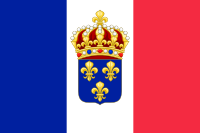
Great Northern Empire
-and relation of said to Saga of Aceries
Character of ages:
Aceries takes place in Age of Heroism
Verial takes place in Age of Apogee and Beginning Decline
Vampiro takes place in Age of Darkness
Saen
-North vs South.
-If it had to be described it is something like a Carolingian system, that is, a kingdom whose RW parallel would be something of a Latin-Germanic synthesis.
Nature of international knowledge
-It seems that in these campaigns there was knowledge of international travel and trade, possibly more pronounced in later campaigns than earlier ... or perhaps reaching a peak at Verial and once again declining
What about minor characters
-The campaign of Seigneur Blaze comes to mind... This was forgotten in the first overview - and perhaps there were others also?
Racial traits of the peoples of Arkon
What about Demihumans? Common in earlier campaigns, seemingly fading by later. More must be said...
Thursday, May 8, 2014

Rather updated view at old school characters from Arkon
Characters from the old days Arkon
Verial Kithamnos
-Hard-minded aristocrat and main character of the second
saga. He was named for a long-deceased
hero. He is a descendant of the famous
Kithamnos clan which has its territories in eastern Saen.
Appearance: 6’2”, 210
lbs, dark brown hair, dark green eyes, tanned complexion
Sirine
-Verial’s loyal wife and a priestess of the fire goddess
Appearance: 5’8”, 140
lbs, auburn hair, blue-green eyes, pale complexion
Arxam
-Dark priest and leader of the black syndicate, a main
antagonist of the saga
Appearance: 6’, 230
lbs, black hair, black eyes, tanned complexion
Dyerus
-Mysterious ancient human warrior made immortal after being
infused with the Godsblood (apparently none of the other Rune Knights survived
the experimentation that was done on them), in some ways the main antagonist of
the first part of the saga. Later he
becomes a comrade of Vampyro and a Quadrarch.
Appearance: 6’3”, 195
lbs, black hair, green eyes, light tan complexion
Strohb
-Cocky and humorous thief, ally of Verial
Appearance: 5’11”,
170 lbs, brown hair, hazel eyes, light complexion
Meric Vellman
-General in the Shadow War, later assassinated by Verial
Appearance: 6’4”, 180
lbs, platinum hair, pale grey eyes, light complexion
Beldhecat
-Old, seasoned adventurer
Appearance: 6’, 170
lbs, black hair and beard, black eyes, light tan complexion
Allerus
-Informant and researcher, ally of Verial
Appearance: 6’1”, 160
lbs, blond hair, green eyes, light complexion
Count Savyle
-Evil magician, antagonist
Appearance: 6’3”, 180
lbs, black hair and beard, brown eyes, light complexion
Maroh (the Magus)
-Vampyro’s ally, a mysterious mage from an ancient
civilization, and one of the Quadrarchs
Appearance: 6’2”, 195
lbs, silver hair, red-violet eyes, pale complexion
“Slick”
-One of the Archmagi in Jadus, later part of the Quadrarchy
set up by Vampyro
Lord Ulfred Krieg
-Duke of the Kriegsland Duchy and Lord of Kriegsburg.
Appearance: 6’6”, 265
lbs, brown hair and beard, brown eyes
Galan Vostok
-A character mentioned in adventures set in Jadus, this
tyrant is the descendent of the famous Rath Vostok who drove the yrch from the
area around Home after the local aristocrats, the Folcners, lost to them and
fled. He rules the city his ancestor
founded, Vostok City
There were at least three sagas:
-First was the Saga of Aceries, a strange story of an
adventurer who was originally aligned with evil forces, but later forsook that
path and found his way to the light. The
action took place mainly on the continent of Jadus, the first campaign
land. Aceries eventually completed his
adventures and ascended to demigodhood.
-The second saga, longest of all in all likelihood, was the
Saga of Verial. This was a complicated
story that involved many parts including the great struggles between the
dark-aligned powers and the light-aligned powers. The action took place mainly on the continent
of Cairen, on the subcontinent of Saen.
-The third saga was the Saga of Vampyro, the tale of an
assassin who capitalizes on the coming of the shadow and orchestrates the rise
of a tyrannical oligarchy. This Saga
takes place in Saen, probably about 30 years after the events of the Saga of
Verial ended.
Arkon Characters Expanded, from 2006
Daron Arvidson
-Paladin of the Order of the White Horse, an errant of the
faith and foe of Vampyro
Gunnar fon Esken
-Master of the Order of the White Horse
Hanwulf Kayllor
-Paladin of the OotWH
Cadarin Lenweck
-Lady knight of House Lenweck
Rendell Ellabar
-Mage of the Pale Fire Brotherhood
Dhimitri Jinnerov
-Agent of House Mordaine
Ghazey Tarikits
Voelyrn
Raule Lenord
Yuliana
Theresion
Vance Goltenmark
Eilla Serenus
Raniya
Reschel
Desmonde Deverin
Dinara
Harald Torinson
Marek Slyhand
Serges Adnor
-General of Caltan
Anton Vilan
-Infamous bandit-adventurer
Green Aric
-A druid and world-wanderer who is reluctant to take part in
the goings-on of the realms
tbc
Notes about the geographical regions of Arkon
The Arkon Campaign Setting Notes
-This document is entitled notes because, while the ACS is
old and has been used, it has never been systematized and this new form of it
is in early stages.
Geographical Gazetteer
-Luckily I was able to dig up a folder that had an old
drawing about Arkon. This is for all
practical purposes the only such map in existence. While it’s not perfect, it’s an important
start. Therefore I intend to revise it,
and to give a gazetteer for it as well.
This is a good place to start.
-Here is the list of places labeled:
Continents with one name:
Oram
Amaxeotl (or Amazeotl)
Alamar
Jadus
Kadnus (or Kadeon)
Caltan
Shai-Tang (or Lo Dien)
Asara
Nordmeir
Continents with more than one name depending on region:
Long Continent (Goureyn):
Thoren, Agerus, Dalus, Crystalan, Fayus
South/Tropics Continent (Nuriel): Kairst, Barak Mir, Firanth
Mid-Latitude Continent (Brynn or Cairan): Saen, Ironforge, Zheridus
Other Mid-Latitude Continent: Kingor, Shadeus, Daruk
So, now it is up to me to figure out what these are to mean
depending on what is listed for them and what I want for my campaign as
possibilities.
There are some notes on what these particular continents and
regions mean, but these are incomplete as they were written at a time when I
was considerably less focused.
Nevertheless, I’ll sketch it out.
This is very much subject to change.
Jadus: Temperate continent, center of the first
campaign. The notes say ‘modern’ but
this aspect of the campaign is being abandoned in favor of a more
LMA/Renaissance feel. I was thinking
that this could be something similar to NA except colonized by Europeans
earlier, but also home to other races.
Perhaps there’s a bit of a Scandinavian influence here too, sort of like
the Vinland concept of NA as opposed to the
Anglo and Iberian American rw.
Asara: This is a
smaller continent, apparently inspired by Ancient Middle Eastern peoples. Strangely, it is placed rather far north for
that, but perhaps we can look into this.
Amaxeotl: This is
clearly meant to be based on the high cultures of the Mesoamerican region.
Kadeon/Kadnus: The
notes mysteriously say ‘like medieval age’.
I don’t know what to make of this.
Maybe we will make this an Iberian type land with ties to the priest and
merchant run land
of Caltan
Caltan: It is
supposedly a priest-run nation. Perhaps
this is an Italic type land.
Barak Mir: This is a
dwarf run nation.
Firanth: This land is
supposed to be similar to India .
Daruk: This is
supposedly similar to England ,
though again the geography is a bit of a question mark.
Saen: Though this was
not listed in the original list, it was the setting for two main characters and
I can say with confidence that it had sort of a central European feel, with
both German and French elements.
Zheridus: This is
supposedly a realm run by evil mages.
Perhaps there could be a Slavic feel to this area?
Thoren: This land is
apparently relatively arid (though given its geography this isn’t clear), and
is yet another magocracy – seemingly neutral ones (though unsure).
There are no other
notes so all of the other regions are completely without explanation.
It’s important to consider what is wanted here. Are elf, hin, gnome, or other nations called
for here? What about other human
nations? I can think of many that
weren’t represented above. NA Indians
and SA Indians (since I like to call Mesoamerica MA), various types of South
Asians (i.e. Austroasiatics, Tai-Kadai, Austronesians, etc),
Melanesians/Papuans/Austro-Aborigines, Africans of any sort, more modern Near
Easterners, Steppe peoples (Turkic, Mongol, etc), etc etc.
Keeping track of campaign settings
New Ideas For
Campaigns
Last night, as I was drifting off, I came up with a great
idea for my next campaign but it has been lost since I didn’t write it down and
assured myself I could remember in the morning.
This wasn’t the case. I’m not
interesting in making this same mistake again, so from now on this is where
inspired ideas will go pending review and development.
It seems to me that the idea had something to do with my old
campaign, which I have resurrected to some extent in a new and improved form
(or that is at any rate the idea), and I will try to remember what it was.
Campaigns for consideration:
-Shadowrun (with slightly altered timeline)
-WoD
-FR/Faerun
-Mystara
-Archon*
*Archon is my own campaign world which dates back to the
mid-90s and was first inaugurated in the fall of 1996 after my time spent that
summer on Realms (which is apparently still around despite near-0
activity). It was also connected to a
wider sphere of worlds. It remains on my
agenda to develop this a bit more. It’s
not the worst place for a starting point, since it has something of a
foundation to build on.
-The new and unnamed campaign world which was inspired by
George RR Martin’s works (sort of), and which I conceived first in the summer
of 2013 during my trip to Queensland, Australia. The “sort of” refers more to a general
renewed interest in an intrigue/politics based setting than any direct
inspiration. In addition to GRRM’s focus
on political movements, I was also inspired by his innovative approach to
world-building. But the work in its
entirety is still my own.
-Others (there are no shortage of these but I can expand on
this later)
Tuesday, August 6, 2013
updated version of campaign ideas
Ideas for new campaign
-1 continent for western Europe, another few continents for
other inspired cultures.
-6 major culture areas in the western continent, with
subareas for each: Medania, Annoria,
Callania, Enthalia, Nordenia, and Ilenia.
These would correspond roughly to Spain ,
Britain , France ,
Germany , Scandinavia ,
and Italy . So there would be the Four
Kingdoms Eight
Kingdoms Kingdom
of Callania Three Kingdoms
-Demihumans exist but their settlements on the western
continent are small, so they are rare in the west. They do not generally like to live around men
for various reasons.
-The races will be somewhat simple. The Northmen are the people of most of
Annoria, Entalia and Nordenia, as well as part of the other three
kingdoms. The Southmen are the people of
most of Medania, Ilenia, and Callania.
The Southmen do not generally live in the North, even though the
Northmen have moved in some numbers to the south. The Southmen are more mixed as they also have
mixed with the Desert Men of the continent to the south.
-History: There were
once two great empires of men on this continent. The Stone Men in the North and the Cavern Men
in the south. However, these bronze age
civilizations were lost and no one knows how to read their writing, so not much
is known about them – except for the fact that they are probably the
predecessors to the modern Northmen and Southmen respectively. To further complicate things, another
population known as the High Men came from the east after the ancient empires
fell and set up other empires. The
northern one split into warring groups and eventually fell, while the south
became more and more powerful. It
eventually conquered much of the continent, as well as lands on the continents
to the east and south, ruling over the Desert Men and the Civilized East. However, they eventually were more or less
assimilated into the local populace and in an ill understood period of chaos
the empire collapsed. Some people have
attributed this to invasions from warlords originating in Entalia and Nordenia,
but this is only part of the story and may not have been decisive in the collapse
whatsoever. Nevertheless, it seems clear
that many modern aristocratic houses descend from either Northern warlords or
High Men of the last age.
-Races: High Men
(mostly assimilated but some aristocratic houses are relatively unmixed),
Northmen, Southmen, Hillmen (uncivilized tribes of the south), Clansmen
(uncivilized tribes of the north), Men of the Holy Realm (northern Civilized
East), Men of the Great Cult lands (southern Civilized East), Nomads of the
Steppes and Wastes (East), Desert Men, White Eyes (Far North peoples on western
and eastern continent), etc.
-Organization: Each
realm has its own traditions of rule, and these can be quite different from one
another.
In Annore, since the Keirlans of Waldaine (in Callania)
united the formerly warring petty kingdoms, the feudal nobility is powerful
with the Dukes (formerly Kings) being like to rulers in their own right. This owes to the compromise that Richard
Keirlan made early on in order to keep the kingdom he had built cohesive. Yet few of the Dukes, despite their power,
will openly rebel against the Crown unless given good reason. It is currently ruled by House Lynnethe,
descendants of House Keirlan’s maternal line, with their paternal line deriving
from Angelon in Callania.
In Callania, the system has developed to have a strong king,
whose power comes at the expense of the nobility. In earlier times, Callania was very
fragmented, but over the years, House Cassian has consolidated its power and
established a strong and centralized rule.
The Cassian Kings, like the Tescelin Kings before them, are the main
force that keeps an otherwise fractious land well in order. Unlike in Annore, where the Kings rely on the
support of regional Dukes that are rival noble families, the Callanian Kings choose
Dukes from their own family whenever possible and try to put down the power of
local nobles. However, some of the old
nobility are still quite powerful and resist the King’s agenda, such as the
Counts of Chamelon.
Enthalia is called the Grand Imperium but this is a
misleading name in most respects. While
the area has been more or less unified in the past, it has always had a
powerful local nobility. And in the past
centuries the decentralization has increased.
Though there is an Emperor, who is nominally the ruler of the country,
in reality he depends for most things on the nobility and is only as powerful
as his allies – who will vary depending on his personal charisma. The country is dominated by local nobles,
powerful merchant cartels, and the clergy.
Nordenia has the shortests tradition of Kingship. Formerly it was a land of warring Jarls, but
in the last few centuries it has become more and more ‘civilized’ though it
still seems like a rough frontier land to the men from more cultured regions. The nobility is powerful here, although Kings
have been able to maintain order. Slowly
the area has coalesced into three major Kingdoms and a few minor states as
well.
Medania is broken into Four Kingdoms, but the Kings here
have forged a cohesive agreement with local nobility and priests to the extent
that they are quite strong and independent units. There is less distinction between these three
estates than there may be elsewhere, and this is a land of strong, and some may
even say fanatical, religious faith.
-Notes concerning the families:
-House Keirlan originated from Nordenian raiders who settled
in the Waldaine region of Callania. The
old Duke of Waldaine, Aldous I, had a highborn wife Yda who was unfortunately
sterile. He took a mistress, Hermesent,
who was the daughter of a townsman in his family’s seat of Roche Verte. She was a comely woman, and fertile, and gave
him two sons, Richard and Theobald, and a daughter, Hugolina. He was forced to break off the liaison and
married her to a close friend. But his
sons ended up taking advantage of the long wars plaguing Annore at the
time. Richard, who grew to be a man of
vast personal charisma and great military and administrative brilliance,
managed to enter the land that had never before unified and conquer it in one
long campaign. There was only one
rebellion, not long after he won, which he put down with ruthless
efficiency. But Richard craved conquest
and he wanted to hunt an old firedrake that was said to live in the northern
mountains, and his entourage took him there.
He never returned. As conquest
was his one true love, and since his bastard birth had made him reluctant to
father any baseborn children, he died without issue. His brother, Theobald, who had been by his
side in the conquests and who was more cautious and measured, became King. He ended up marrying Adelina of Valandor, who
gave him 11 children. Though his eldest
son, Aldous, should have been legal heir to all the possessions, his father did
not favor him and he was only given Waldaine, which led to discord. Eventually, one of his brothers, Hildebrand
I, defeated him and incorporated his realm into the Kingdom
of Annore
-Geography:
Apart from the isle of Annore in the west and some isles in
the south and east, there is the large mainland continent of Lorene. Another continent, Maurwen, is not far beyond
the eastern isles, and it is much larger.
Similarly, there is a continent to the north which is almost at the
poles, and the continent of Khine beyond Maurwen farther east. There are also the continents of Tazarene and
Soundia further south.
Lorene is divided fairly well by the Titanspine mountains
which run north to south through the center of the continent. Four smaller ranges radiate out from it,
forming aa rough dual-k formation. Thus
there are five realms: Callania in the
west, Nordenia across the north, Enthalia in the east, Ilenia in the southeast,
and Medania in the southwest.
-History of Annore:
The pattern of settlement is similar to that found in other
parts of Lorene, but with its own variations.
First were the Rock Men, who wandered and never settled. Then came the Flint Men, who farmed and lived
in villages. It was in the age of the
Bronze Men that the first civilization arose here, the great Stonebuilder
culture. Although these people were
literate to some extent, no one has deciphered their writing. They were the first people to establish the
town of Fenne on an island in the
mighty Layne river. The Iron Men came
later. It was said that this was a
violent conquest, but whether that is true is far from certain. These iron men built fortresses and were not
altogether dissimilar to those who had come before. They became the ancestors of the Clansmen. After this came the High Men, or Steel Men,
who established the Northern Empire here.
However, it eventually fragmented and its weakened remnants were
destroyed in the era of the Darkwatch.
However, it was ruled again for a time by High Men from the Southern
Empire which had survived the Darkwatch and put an end to the Kingdom
of Ebonfire
Places in Annore:
Crown Duchy of Fenne
Duchy of Percia (largest and oldest apart from Fenne)
Duchy of Lakelands
Duchy of Athelmark
Duchy of Cairnheath
Important Families in Annore:
House Lynnethe, the Angelon Norians and Kings of Annore
House Corcelle
House Maubrey
House Brynwell
House Athereon
Saturday, July 13, 2013
ideas for new campaign
-1 continent for western Europe, another few continents for
other inspired cultures.
-6 major culture areas in the western continent, with
subareas for each: Medania, Annoria,
Callania, Entalia, Nordenia, and Ilenia.
These would correspond roughly to Spain ,
Britain , France ,
Germany , Scandinavia ,
and Italy . So there would be the Four
Kingdoms Eight
Kingdoms Kingdom
of Callania Three Kingdoms
-Demihumans exist but their settlements on the western
continent are small, so they are rare in the west. They do not generally like to live around men
for various reasons.
-The races will be somewhat simple. The Northmen are the people of most of
Annoria, Entalia and Nordenia, as well as part of the other three
kingdoms. The Southmen are the people of
most of Medania, Ilenia, and Callania.
The Southmen do not generally live in the North, even though the
Northmen have moved in some numbers to the south. The Southmen are more mixed as they also have
mixed with the Desert Men of the continent to the south.
-History: There were
once two great empires of men on this continent. The Stone Men in the North and the Cavern Men
in the south. However, these bronze age
civilizations were lost and no one knows how to read their writing, so not much
is known about them – except for the fact that they are probably the
predecessors to the modern Northmen and Southmen respectively. To further complicate things, another
population known as the High Men came from the east after the ancient empires
fell and set up other empires. The
northern one split into warring groups and eventually fell, while the south
became more and more powerful. It
eventually conquered much of the continent, as well as lands on the continents
to the east and south, ruling over the Desert Men and the Civilized East. However, they eventually were more or less
assimilated into the local populace and in an ill understood period of chaos
the empire collapsed. Some people have
attributed this to invasions from warlords originating in Entalia and Nordenia,
but this is only part of the story and may not have been decisive in the collapse
whatsoever. Nevertheless, it seems clear
that many modern aristocratic houses descend from either Northern warlords or
High Men of the last age.
-Races: High Men
(mostly assimilated but some aristocratic houses are relatively unmixed),
Northmen, Southmen, Hillmen (uncivilized tribes of the south), Clansmen
(uncivilized tribes of the north), Men of the Holy Realm (northern Civilized
East), Men of the Great Cult lands (southern Civilized East), Nomads of the
Steppes and Wastes (East), Desert Men, White Eyes (Far North peoples on western
and eastern continent), etc.
Tuesday, April 23, 2013
new setting
Actually it is based on the old setting of Arkon in the old days, although I may come up with a new name.
Places
The current setting is the continent of Beron, which is the main continent. It can be imagined as sort of a fantastic version of Europe.
Kingdom of Ennore
-Influenced by Great Britain, this country is an island kingdom and a constitutional monarchy with a powerful mercantile and industrial class that rules from behind the scenes; while the monarchy is not entirely without power, they do not assert their strength much and prefer to live an easy lifestyle and let others govern.
Heiligenreich
-The center of the Beron civilization for more than 1000 years, since the rise of the great lord Runo (successor to the Eleustrian Emperor Tescelin). This realm has gone throug many permutations over the years. Most recently, before PEregrine, it had been a collection of loosely organized states with no overarching rule. After the reorganization that followed, it slowly moved toward unification, finally doing so after its leading kingdom defeated Angelin in a war.
Republic of Angelin (formerly Kingdom of Eleustria; Empire of Peregrine)
-This country was once, with Heiligenreich, the heart of Beron. Its monarchy was overthrown in a violent revolution and a republic led by the Benite sect took over. It proved too unstable to provide rule in the face of attacks by outlying realms afraid of its ambitions, which paved the way for the warlord Peregrine to seize power and attempt to totally conquer the other realms. This attempt failed, and the country has seesawed between Imperial and Republican rule ever since.
Kingdom of Sacia
-This realm has a long and distinguished history. It was once the heart of the Mesciel Empire, which once ruled large swathes of land both in and beyond Beron proper. It also was, later on, a collection of powerful mercantile states under no centralized rule. The city of Mesciel remained notable after the fall of its Empire, thanks to the institution of the Church. The Great Father of the Church of Holy Light resides in this city. However, after the schisms of several hundred years ago, the Church lost central power. Then, around the same time, other kingdoms had set up an independent trade structure which led the states in Sacia to decline. It is a constitutional monarchy, with strong differentiation between the north and south regions.
Empire of Aravos
-This realm was once a Tsardom that was the great bastion of the Eastern CoHL, which broke off from the Western long ago. But it was overthrown in a revolution by an alliance between the peasantry and the Arogenian Order, who decided that together they could seize power from the declining lords. Since then it has become powerful, but also increasingly bellicose and volatile.
Ideas
The setting is somewhat like postwar Europe but with a fantastic turn. In some respects technology is similar to modernity, but there are also areas in which it is farther advanced due to the magic of the setting. This setting might have some similarities to a mage ascension type setting, except that it represents more of a third position between technocracy and mythic than that setting did, which had the two very much in dualistic opposition. Also, because of various reasons, religion did not decline in this setting to the extent it has in the real world, and religious sects wield great power as a consequence.
The countries were once united by a religion called the Church of the Holy Light. This religion began to have internal problems which led to violent schisms several centuries prior. However, it stayed a robust and powerful faith throughout challenges. It was opposed by a heretical sect with some similarities known as the Arogenian Order which was once nearly wiped out, but began to gain in power after the schismatic period. Another powerful sect arose during the great turmoil in Eleustria. The Benite sect, a complete repudiation of the Holy Light religion, took control of the revolution there. However, it was unable to completely eradicate the power of the Holy Light and eventually was forced to come to a compromise with them after the fall of Peregrine.
Places
The current setting is the continent of Beron, which is the main continent. It can be imagined as sort of a fantastic version of Europe.
Kingdom of Ennore
-Influenced by Great Britain, this country is an island kingdom and a constitutional monarchy with a powerful mercantile and industrial class that rules from behind the scenes; while the monarchy is not entirely without power, they do not assert their strength much and prefer to live an easy lifestyle and let others govern.
Heiligenreich
-The center of the Beron civilization for more than 1000 years, since the rise of the great lord Runo (successor to the Eleustrian Emperor Tescelin). This realm has gone throug many permutations over the years. Most recently, before PEregrine, it had been a collection of loosely organized states with no overarching rule. After the reorganization that followed, it slowly moved toward unification, finally doing so after its leading kingdom defeated Angelin in a war.
Republic of Angelin (formerly Kingdom of Eleustria; Empire of Peregrine)
-This country was once, with Heiligenreich, the heart of Beron. Its monarchy was overthrown in a violent revolution and a republic led by the Benite sect took over. It proved too unstable to provide rule in the face of attacks by outlying realms afraid of its ambitions, which paved the way for the warlord Peregrine to seize power and attempt to totally conquer the other realms. This attempt failed, and the country has seesawed between Imperial and Republican rule ever since.
Kingdom of Sacia
-This realm has a long and distinguished history. It was once the heart of the Mesciel Empire, which once ruled large swathes of land both in and beyond Beron proper. It also was, later on, a collection of powerful mercantile states under no centralized rule. The city of Mesciel remained notable after the fall of its Empire, thanks to the institution of the Church. The Great Father of the Church of Holy Light resides in this city. However, after the schisms of several hundred years ago, the Church lost central power. Then, around the same time, other kingdoms had set up an independent trade structure which led the states in Sacia to decline. It is a constitutional monarchy, with strong differentiation between the north and south regions.
Empire of Aravos
-This realm was once a Tsardom that was the great bastion of the Eastern CoHL, which broke off from the Western long ago. But it was overthrown in a revolution by an alliance between the peasantry and the Arogenian Order, who decided that together they could seize power from the declining lords. Since then it has become powerful, but also increasingly bellicose and volatile.
Ideas
The setting is somewhat like postwar Europe but with a fantastic turn. In some respects technology is similar to modernity, but there are also areas in which it is farther advanced due to the magic of the setting. This setting might have some similarities to a mage ascension type setting, except that it represents more of a third position between technocracy and mythic than that setting did, which had the two very much in dualistic opposition. Also, because of various reasons, religion did not decline in this setting to the extent it has in the real world, and religious sects wield great power as a consequence.
The countries were once united by a religion called the Church of the Holy Light. This religion began to have internal problems which led to violent schisms several centuries prior. However, it stayed a robust and powerful faith throughout challenges. It was opposed by a heretical sect with some similarities known as the Arogenian Order which was once nearly wiped out, but began to gain in power after the schismatic period. Another powerful sect arose during the great turmoil in Eleustria. The Benite sect, a complete repudiation of the Holy Light religion, took control of the revolution there. However, it was unable to completely eradicate the power of the Holy Light and eventually was forced to come to a compromise with them after the fall of Peregrine.
Saturday, March 5, 2011
Other MERP ideas
It seems that with Gondor and Arnor and their surrounding lands (NW Middle Earth), on the one hand, and Ormal Bay, on the other, that the 'Western' and 'Classical' cultural tendencies are more or less separated here but yet have an influence which goes back to a common origin, which is interesting. This is because Gondor, Arnor and the Northmen seem Western. Anarikani and Lynir are clearly more Greco-Roman.
So for the history of Ormal Bay, it looks as though there is both a Mesopotamian and Indian-style culture life before the coming of the Numenoreans, and a Classical style one after that which takes root in certain areas and at some point embraces all or most of the area. By the end of the Third Age we could see a Magian/Islamic style power at its latest stage.
people classification
HILDOR CLASSIFICATION
I´m going to defind Groups of wandering peoples of the first Age, a time at which most Men were Hunter-Gatherers in exception of the Lintador who were teached by Avari and Nandor and already were breeding Cattle and starting to
grow crops (the same might be possible for The Wômaw and maybe Lynerians).
The people which I list after these Groups are the various descendants and Cultures which are the Offspring of these very first Men in the different Ages. Of course there are later mixed peoples as the Dúnedain, Bellakaze or Tantûrakim which might be mentioned too. I sort those peoples after their main Cultural influence and Language. Languages and Body Features are one Main point which I mention, the Cultural descriptions (Nomad, Urban Culture) describe the developement of their ANCESTORS as far as known.
I will also mention possible Real-World influences which could logcally be used by anyone who wants to work with one of those cultures.Many of these possible Real-world influences are defined geographically after Antique Cultures or Language Groups.
1. Lintador
The attempt of this essay is to correcting the ICE scheme and to make the people-groups correspond more to Tolkien´s Peoples of Middle-Earth Essays. I changed the Iauredain/Edain/Eriedain into:
Lebanor (Beorians,Dorwinians,Eriadorians)
Kalanor (Hadorians, Northrons)
and
Druvir (Druedain, Beffraen)
And I´ve changed the Arhûnerim into:
Arhuivir (Haladin, Daen, People of Bor) and
Milevir (Forodwaith, Lossoth,Angmarim, People of Ulfang, Szreldor)
The Edain were composed of Beorians (Lebanor), Hadorians (Kalanor) and Haladin (Arhuinvir) plus Druedain (Druvir). This follows Tolkiens Idea that the Edain came from three different Groups of Men.
The Númenorians by this way were a mix of Lebanor, Kalanor and Arhuinvir Tribes and by this Way as well akin to the Northrons (Kalanor) and Eriadorans (Lebanor) but also to a small degree to the Daen (Arhuinvir) because of the Haladin part of their ancestry.
All the Black Númenorians and their Mixed-blooded descendants are descendants of Númenorians. The Lynir should belong to the part of Lintanor which was known as the Lebanor to the Nandor.
The Lynir belongs to the part of Lintanor which was known as the Lebanor to the Nandor.
The first Elves of the West who encountered the Men were probably Nandor who lived near the later Sea of Rhûn, the Avari who at first told them of the Men maybe were Windan, Penni or Hwenti.
The Linthanor
Now it happened, not a long time after the rise of the sun that the Elven Kindreds who stayed near the Northwestern coasts of the Inland Sea of Helcar encountered a strange people which came from the East. They soon recognized that they were not of the Elven kind, but also completely different from Orcs and other Dark Creatures and many of their Elven Brothers who also came from the eastern Lands at this time (Some say these elves were those whom the Sindar of Beleriand later called the Shadow Folk or Mornedhil) spoke of them as the linthanor" or Wanderers , but they did not tell much of this new People and wandered further to the west.
The first Men, whom the elves encountered were tall and broad and mostly of dark hair, they were a large host and carried their few goods on their backs. Some of these people whom the Elves called the "Lebanor" (Nan.: "those who have left behind") stayed near the western shores of the Sea of Rhûn (which was just a bay of the Inland Sea Helcar at the time) where the elves teached them how to build small boats and how to grow crops.
Soon after other Men arrived, they also were tall, but had strangely bright Hair, because of which the Elves called them the Kalanor (Nan. "bright people"). They knew the Lebanor and shared their language. Most of them settled west of their kin , but they were more fierce than them and many carried primitive Weapons. The elves rarely had any contact with them, but therefore the Kalanor were eager to trade with the Dwarves.
Now it was known to the elves , that other peoples were wandering into the west at the time too, but those wandered along the southcoast of the Inland Sea and spread across the Lands near the White Mountains. The first people
of whom the Elves heard called itself the Drû People, which the elves twisted into Druvir. They were strange beings, without question men, but small grown and completely different from the Lebanor or Kalanor.
Later two more hosts of Men arrived, who were led by many chieftains who were in strife with each other. The one Host was similar to the Lebanor, but smaller in body and more swarthy, the Elves called them "Arhuinvir", the second Host consisted of men who also were small and stout, but with yellowish Skin, why the Elves called them the "Milevir". There was much Strife among the two peoples and often Milevir tribes allied with tribes of the Arhuinvir to fight against their own brothers and the other Way around. This way it happened that the largest part of the Arhuinvir conquered the Lands around the white Mountains and slew the Drû people or drove them out. The other Arhuinvir and Milevir went north into the Lands of Eriador where the tribes fought with each other and tribes of the Lebanor who had come there before.
One part of the Arhuinvir , along with flying Drû who had joined them crossed the Blue Mountains , while a part of the Milevir was driven into the northern Waste by their own brothers. The remaining Arhuinvir now settled in southern Eriador or went across the Blue Mountains too with the rest of the Milevir.
Out of fear of the Warlike ways of men most of the elves hid themselves and shunned Men, but very few exceptions. But after much time Men returned from the Westlands and those, according to elvish tales, were escaping of heavy
earthquakes and thunderstorms which s attered the west at the time. These men , as the elves say, were part of the Milevir and they flew into the Lands east of the sea of Rhûn and subjugated the mannish tribes who had come to the west later and were living in the middle-lands. Of other mortal peoples the elves rarely speak, as they say it is hard to them to distinguish between mortals and their peoples change to fast to learnhow to make out any
differences between them.
Note (about Angmarim) :
I always thought of the Angmarim not as a distinct racial group that existed before Angmar was founded. Due to the unfortunate climate in the region there should be only small groups of hunter-gatherers (e.g. Lossoth and Hillmen) roaming the region.
I find it far more fitting that after Angmar's founding, large waves of immigrants came to Angmar (brought there through various means such as the promise of a better life for all enemies of the Dunedain). These immigrants would be drawn from many ethnic groups and formed into the Angmarim by the Witch-king and his lords. After Angmars defeat they were wiped out, so the Angmarim as a distinct people should be a relative short-lived phenomenon.
Easterlings and other folk of Rhovonian would be the larger part of the Angmarim ancestry. There would likely be Eriadorian clans living along the subarctic frontier marked by the mountain ridge at the site of Carn Dum. Because of the Lossadan life style, they would have a very scattered population and would be smaller genetic contributors to the Angmarim than even the Northmen.
Drûghu (Wilde Menschen)
Drúedain (Wasa)
Beffraen (Puckel men)
Honnin (Bozisha-Miraz)
Chaialla (Seven Lands)
Yatali-Gan (Sîrayn)
Yarulma (Ibav)
I had included the Angmarim because I thought to liknk them with the lossoth,
but they themselves don´t appear in the text itself anyway so it was just a
thought.
__________________________________________________________________
2. Haradrim
Gondorians and others in the Dunadan cultural tradition tend to use the label "Haradrim" for anyone living south of the River Poros, even to the southernmost shores of the continent. For purposes of this listing, we will consider only the true Haradrim (the cultures and peoples of the Haradwaith ) and their close cultural relations. The Apysani, a people of the early Second Age, are the ancestral cultural group for most of the Haradrim. They were never a nation, just a collection of related (foot-bound) pastoral clans living just north of the Ered Harmal at the time of the War of Wrath. A thousand years later, their descendants had migrating through and populated most of the southwestern quarter of Endor. Their ancestors, still herders of sheep, cattle, and camels and growers of wheat and dates, still hold most of these lands at the beginning of the Fourth Age. In addition to the Apysani-descended Haradrim, several other ethnic groups have contributed to the racial make-up of Harad. The most important of them are noted below.
First Group: -- Near Harad (Harûze of Haruzan, Chelkar, and Pezarsan and Lurmsakun)
Peasants, herdsmen, Urban Folk
Small, sturdy, light Brown Skin (Numidian/Berber/Turkish Culture)
All of these peoples speak the Haruze tongue or a related dialect. The Haruze of Lurmsakun have traces of Variag bloodlines and cultural influence.
(Note on changes: the Kibic are a military religious order important in the foundation of Haruze culture. The Umbareans and Sakalai and are detailed under the "Eighth Group," below. "Urdwan" is a Haruze term meaning "nomad" and, like "Kibic," is not a true ethnic description, as described below.)
Second Group: -- Central-Harad ( Jelut, Urdwan Haruze, Aukuag)
Desert nomads and pastoralists, horsemen
Small, slim, light brown to brown Skin (Berber/Mauritanian Culture)
These peoples occupy a vast stretch of desert country and speak many languages, all of them drawn from Apysaic roots. Those living near the Harnen speak dialects of the Haruze tongue. Those living in the borders of Bellakar speak variations of that speech. The Jelut culture was born of desert clans tributary to Umbar and speak their own language, which includes elements of classical Adunaic and Third Age Westron.
Third Group: -- (Bellakaze, Bellakarai, Bellanarod, Aukuag tribes of the Bellakarai frontier, Êluzan, Qarsag)
Short to middling tall, light brown skin Farmers, fishermen, herdsmen, desert nomads, urban folk
Bellakar has a distinctive set of religious beliefs and a language and culture that borrows many elements from mid to late-Second Age Numenor. Its ruling aristocracy prides itself on its Dunadan ancestry and are noticeably
taller than other Haradrim.
(Note on changes: Eric went to a great deal of trouble to differentiate Bellakar from Bozisha-dar, and I think we should respect that).
Fourth Group: -- Southwestern Harad and the Metharn (Adena, Tande, Tulwany)
Fishermen, sub-tropical and tropical farmers, and savanna and desert nomads Short to middling tall, slim, dark brown to grey skin (west-African/ Sudanic Culture)
A wide variety of groups of Apysaic ancestry, sharing a common history of Numenorean colonialism in the Second Age and Aruwanai rule in the early Third Age.
Fifth Group: -- Southern (Greater) Harad (Sîranians, Ayten, Danak)
Farmers, desert nomads, urban folk
Short, light brown to brown skin (Abyssinian/ Kush Culture)
With the Haruze, the most populous of the Haradon peoples. The Ayten are the nomadic clans dwelling in the drier regions of Sirayn, speaking variant dialects of the primary Sîranians tongue.
(Note on changes: the writer of the Greater Harad bungled his peoples section, failing to describe the river-valley peasantry who make up the mass of the population of this country. The Danak would appear to be blood descendants of slaves from Gondor, Rhovanian, and other places, but they probably speak a Sîranians dialect as well.)
Sixth Group: -- Coastal Near Harad (Umbareans and Sakalai)
Peasant farmers, fishermen, herdsmen, urban folk Middling height and build, brown to black hair, tanned to light brown skin.
(Numidian and Magreb cultures)
The original Sakalai were the southernmost of the Daen peoples who reached the coasts of the Bay of Belfalas in the later First Age. As the second millennium of the Second Age began, these peoples were in danger of being
absorbed by the Haruze, but the Numenoreans came to the coasts of Endor and gradually took the Sakalai under their protection. By the late Second Age a new language, Westron, had arise between Umbar and Pelargir, based on
Adunaic salted with elements of the old Daen tongues. While Westron usage eventually spread northward to Eriador and Rhovanion, the larger number of Westron-speakers dwelt in Gondor and Umbar until after the Kinstrife in the
mid-Third Age. The Umbareans were slowly absorbed by the Haruze thereafter. Their language and culture eventually melded with those of the rest of northern Harad.
Seventh Group (Bozishnarod, Narodbrijig, Covshek-Pust, Poacaod)
Short, light brown skin (West-African Sahel Culture/Tuareg)
Farmers, fishermen, herdsmen, desert nomads, urban folk
The people of Far Harad have always made it a point to keep their society distinct from those Haradrim, like the people of Bellakar or Haruzan, who boast of being the cultural heirs of Numenor . The settled peoples of the Dar share a common religion with the surrounding of desert clans, most of whom speak the Bozishnarod language or a related dialect.
Eighth Group (Etulian, Farijin, Sorijan)
a light gray skin, flat faces, long and steep hair (usually brown or black), a muscular constitution
They have a distinctive set of religious beliefs and a language and culture that borrows many elements from mid to late-Second Age Numenor. Its ruling aristocracy prides itself on its Dunadan ancestry and are noticeably taller than other Haradrim. They live in Tulwang, and Anbalukkhôr.
__________________________________________________________________
3. Easterlings
It was a bit hard to define which peoples belong to the Category "Easterling". I defined Easterlings as the standard Gondorian Word for any Culture of Central Middle-Earth.If a Gondorian would meet a Chey he would probably judge him as a Haradrim after his appearance and clothing, even if in Language he is much more akin to Western Easterlings as the Wainriders.
I do not Speak of the People of the Far East as easterlings here, since they represent Cultures of which the Gondorians had no vague impression or Idea. The only Charakter ever mentioned by Tolkien is Khamûl, the Black
Easterling. So if the People of the Far East would be servants of the Darkness we could call them all collectively "Black Easterlings". However I will mention here only the "Easterlings" and I´m going to work on the "Northern-Peoples" or "Snow peoples" and the "Peoples of the Far east" or "Black Easterlings" later.
I´ve grouped the peoples as far as they are mentioned by Tolkien together as in his Books, so the Balchoth and Wainriders are now together in one Group while the Easterlings of Rhûn and Sea-Easterlings are an own Group now. The same I dis with the Variags the Men of Núrn and the Nûriags. By this I followed Tolkien close and ignored the existing ICE scheme. The other peoples consits mostly of Talatherim , from which I´ve taken the Ibav, Chy and Chey away and added instead the Adekdar from the Linerim. The Chy and Chey are going to be
Bay People now while the Ibav and the other Linerim (Horl and Raliani) will become Cultures of the Far East. As Nomads I´ve also added the Eskam to the Easterlings, but maybe I can put them together with the Rhûn Easterlings or Balchoth/Wainriders since they should be Skythians. In that case I propose to invent Tibetian/Birman peoples since they would fit geographically to Northern Ormal.
Easterlings:
First Group: -- Rhûn (Rhûn Easterlings, Sea-Easterlings)
Gathmarig,Brygath,Urgath
Farmers, Herders, Fishermen, Corsairs
middle heigh, slim, light Brown Skin (Skythian/Cimmerian Culture)
Second Group: -- Khand/Mordor (Variags, Núrnoth, Nûriags, Lothrag)
Farmers, Herders, Urban, Warlike
middle-height, slim, Dark Skin (Anatolian/ Hittiche Culture)
Note : the Lothrag live in Lotan
Third Group: -- East of Rhûn (Balchoth (Asdriags,Odhriags,Magriags,Kykuria),
Wainriders, Kykuria, Tedjin)
Wain Nomads, Horse Nomads, Farmers, Warlike
middle-height, slim , light Brown Skin (Sarmatian/Sauromatian Culture)
Ahar (Fifth Group): -- (Kargagis Ahar, Relmether, Rycolis, Dalpygis,
Orgothraath, Yilgaathi)
Herders, Farmers, Nomads
small, Stout, light Brown Skin (Turk/Kasachian Culture)
Adek (Sixth Group): -- (Adekdar, Alduryaknar, Burskadek, Gaathgykar)
breeders, Herders
small, Slim, yellowish Skin ( Hunnish/Hiung-Nu Culture)
Lin (seventh Group): -- East Palisor (Daldûnairi, Ûsteri, Lygar, Jendiar)
farmers, hunters, herders
small, Strong, Dark-yellowish Skin (Mongolic-Culture)
________________________________________________________________
4. Swertings / Black Peoples:
first Group -- Go to the East (Ts´dan, K´prur)
Warlike, Seafarers (later), Yellowish-Dark Brown skin
second Group -- come to the Sunlands (Sharaeke, Geshânians)
befriend the Avari, build Cities
small, yellowish-darkbrown Skin (West-African, Sudanic culture)
Akanli (third Group) -- come to the Sunlands (Mûmakanril, Ûsakanil,
Mûlamburil, Tantûrakim)
Warlike, tall, Musculous
Dark Black Skin (South-African, Bantu culture)
Ebesan (fourth Group) -- come to the Hyarnustar (Adena, Sedêre, Drêl,
Pel, Swasan)
tall, slim, warlike
Copper-Black Skin (West-African, Sudan-Culture)
(this group is distantly related to the Apysaic speaking Haradrim of Sîrayn)
Sixth group (fifth Group) -- come to the Hyarnustar (Magri, Tumagri,
Nandran, Sanâr, Tandê)
a coloured people and have dark coloured skin, broad faces, black
deeply-inset eyes
Kir (sixth Group) -- come to the Sunlands (Kîranai, Ganim, Drênim, Ahava,
Tuktanai, Sekâk)
tall, slim, peaceful
Black Skin (East-African, Bantu Culture)
Tuk (seventh Group) -- come to the Archipelago (Sâre, Tulthan, Râkhe, Sekâk)
Warlike, tall, bony , Seafarers (primitive)
Dark Black Skin (Melanesian Culture)
__________________________________________________________________
5. Peoples of the far East:
As for the Easterlings of the Far East the Avarim Cultures are especially sundered, because at first they are relatively close in culture but in the late third Age are not that closely akin anymore...
Avarim:
First Group :-- (Wômaw, Rôlaw, Wêraw, Góakaw, Móakaw, Kaelaw, Haenaw)
Farmers, breeders, Fishermen, Seafarers
Middle-tall to small, Slim, Yellowish-reddish Skin (Chinese /Shang Culture)
second Group :-- (Lôchaw, Argaw)
Farmers, Fishermen, Seafarers
Middle-tall to small, slim, Yellowish-reddish Skin (Japanese /Malaian Culture)
third Group :-- (Aegaw)
Breeders, Herders, Farmers, Fishermen
small to middle-tall, slim, yellowish-reddish Skin (Korean / North Chinese Culture)
fourth Group :-- (Urakhan)
Farmers, Breeders, Mountainmen
middle-tall to small, slim, yellowish-reddish Skin (Birman /Northern Indian Culture)
fifth Group :-- (Vulmaw)
Farmers, Fishermen
middle-tall to small, stout, yellowish-reddish Skin (Indonesian /Javanese
Culture)
Other Peoples:
Brârim (sixth Group) :-- (Wôlim, Brôdim, Tânim, Lakhab)
Farmers, fishermen
small, stout, yellowish Skin (Vietnamese Culture)
seventh Group :-- (Ibaavi, Nargaathi, Shaya, Unvirnay)
Farmers, Breeders
small, Slim, yellowish Skin (Thai / Siamese Culture)
eight Group :-- (Hôrl, Raliani)
Farmers
small, stout, yellowish Skin (Khmer/Kabodjan Culture)
ninth Group :-- (Tarlai, Monam)
Farmers, Fishermen
small to middle-tall, slim, yellowish Skin (Malaian/ Malaysian Culture)
__________________________________________________________________
6. Southearners or Bay People
Eskam (First Group): -- (Aca, Dilikhran, Firusey, Charax, Phrashara)
Herders, Nomads, Warlike
small, stout, yellowish Skin (Parthian/ Baktrian Culture or
Tibetian/Birman Culture)
Second Group: -- Ered Ormal (Chey, Chy, Ulshyan)
Farmers, urban folk, shepherds, horsemen.
Short to middling height, slim, mid-brown skin (Iranian/Persian Culture)
Centuries after the Apysaic peoples had become the first nations of Harad, another wave of related immigrants crossed the southern Ered Harmal and conquered much of the eastern Haradwaith. Those who settled and built
civilizations in Harad became the Chy. Their relations who stayed on the high plains north of the mountains became the Chey and related nations.
The Ulshyan are related to the Chey and the Chy, but they were forced to migrate to the north.
Third Group : Niss valley people (Idurâk, Verikis, Lynîr)
Note : Lynîr are distantly related to the Lintanor
Fourth Group: -- Eastern Harad (Múranians, Elinse)
Farmers, fishermen, nomads
Small, slim, light brown skin (Arabian/ Semitic Culture)
The Muranians may have been the first farmers and city-builders among the Haradrim, but most of them were overrun by the Chy at the end of the first millennium of the Second Age. The folk of Harshandatt considered themselves the proper ancestors of the Muranians. A number of desert tribes speak similar languages. The Elinse of Anarike are a former Numenorean colony and have Adunaic elements in their language.
(Note : One quick note about relationships between Elinse and Numenoreans. Anarike is still a Numenorean realm in the Third Age. And there is by the end of Second Age, Lynir in Anarike, who melt with Numenorean and Elinse).
(this fourth group is the connection with Haradrim people)
Fifth Group -- come to the Lands of Ormal (Jôpe, Zurghîr, Icuddin)
tall, slim, warlike, Dark Brown Skin (Drawida/Wedda Culture)
Originally the Jôpi and Zurghîr were defined as Kinsmen of the Black peoples of Ardor, but together with the Ts´dan and Kp´rur we could make up another (eastern) branch of Black peoples or declare them splintergroups who have strongly intermixed with the Southeasterners. The Zurghîr are pretty much Indo-Drawida influenced, even if they are coloured we could count them to that group.
__________________________________________________________________
7. Far North people
Ystävä Talva (first Group) :-- (Lumimiehet or Lossoth, Jäämiehet, Merimetsästäjät)
Forodwaith - they live in Northern Waste
Mornerin - Second Group (Urdar, Agrinak, Duranak, Syrkakar)
for most of their history, these people are aside the Shadow people Mornerin Urdar
Mornerin - Third Group
Angcla, Agnica, one people related to these two and who fled the Shadow and directs themselves to Barl Syrnac,
Mornerin - Fourth Group (Free People)
Sharta, Ôma
Mornerin - Fifth group
Kubor, Iskahu, Aigar, Rubor, Ayelma
Tyr (First group): -- (Myri, Lusturangsuri, Lu Tyr Sú, Vorgani, Dyrians, Desdursya, Ky'taari)
Herders, Hunters, Horse Nomads, Warlike
small, Stout, yellowish Skin (West- Sibirian Culture)
Tyr (Second group) (Vothrig, Ky'taari)
portrayed like the Viking for the Vothrig.
Conclusion :
I believe we´re pretty fine now with the Western Men for the Lands west of the Rhûnaer and north of the Harnen, The Haradrim south of the Harnen and west of the Ered Harmal, the Black men south of the Yellow mountains, the
Easterlings in the central Steppes of Palisor, The North-Peoples in the Northern Taiga Woods and Tundras of Forodwaith and Urd and the Far eastern Peoples beyond the Orocarni and Windmountains. Every Major group has a lot of subgroups which are pretty differentiated from each other now, I like that.
I believe that most of the new Southeasterners are vaguely Indo-iranic Cultures, but there´s still alot of freedom with interpretations (as Greek or Old Crete influence)
3A cultures
Mid Third Age Cultures
Dunedain – descendants of Numenoreans, these are the ruling classes, i.e. nobility, priests and knights, of Gondor and Arnor.
Corsairs – these are Gondorians who left during the Kin-Strife and became part of the aristocracy of Umbar.
Adunaim – these are the Numenorean descendants of King’s Men who settled Umbar in the days prior to Gondorian conquest.
Black Numenoreans – these are the men of Numenorean descent who settled various realms-in-exile in Endor, and who practice the Dark Religion
Gondorians – these men are the common folk of Gondor. They are descended from the same Lebanor, Arhuivir and Kalanor stock as the Numenoreans albeit in isolation to the south and never benefited from the grace of the Ainur.
Haruze – these are the desert peoples who reside in the lands of Near Harad south of Gondor. They are generally nomadic but also have significant urban centers along trade routes where strong merchant classes thrive. They are also warlike at times.
Bellakaze – These are the peoples of the realms of Bellakar. They are very similar, racially, to the Haruze, but their culture and genotype received notable Numenorean influence, making them a distinctive group.
Urban Apysani – These people dwell in the cities of Greater Harad and are cousins to the Haruze and Bellakaze peoples but with some important differences. The city folk engage in trade and are thought to be more civilized than their rural counterparts.
Rural Apysani – These people either live as farmers or nomads in Greater Harad.
Desert nomads – There is overlap with the other groups of Harad listed above, however there are certain groups who are exclusively nomadic tradesmen/warriors/slavers/etc
Variags – These are the warlords of the dusty and rugged lands of Khand, a civilized but dark and warlike tribe which often asserts dominance over the lands south and east of Gondor.
Asdriags – These are culturally similar to Variags but a bit closer to the seminomadic traditions which the Variags emerged from in the early Third Age.
Eriadorans – In theory, an Eriadoran is any non-Dunadan who lives in Eriador. So this can refer to the Eriadoran peasants and merchants of Arnor, who derive from a mainly Lebanor base (with some Arhuivir blood). But there are also newcomers of Kalanor stock – Northmen migrating from Rhovanion – who also could be considered Eriadorans, though in culture they still retain much in common with Northmen farther east.
Rhudaurim – Though Rhudaur was once controlled by Dunedain, it is currently a client state of Angmar. Its people are of primarily Arhuivir stock, akin to the more southerly Daen tribes, but also some Milevir blood has crept in with migrations.
Dunlendings – These are the men of Dunfearan, a group of relatively pure Arhuivir who are known as an unpredictable presence as their homelands lie between Gondor and Arnor. Dunmen are not as civilized as the other men inhabiting the West and are known as strong warriors and talented craftsmen.
Clansmen – Racially, these men are almost identical to Dunmen. The important difference is that they inhabit the lands of the
Evathrum – The horse-Kalanor of the steppes of Rhovanion. They are known as reliable allies of Gondor, and of all of the non-Numenoreans they are most like them in temperament, as they are orderly, honorable and enterprising. They have less trust for civilization, however, and prefer to live in close-knit clan units, thus towns and villages can be encountered in their lands but few cities.
Woodmen – The men of Mirkwood live in towns in the trees and are generally closed to outside interaction lest they face persecution. Of all the men in the West, they are the most akin to the Silvan Elves who live in harmony with the forest. They do not clear the forest but rather live off its rather limited bounty. As a consequence, they are sparser in population than other Kalanor groups.
Dorwinrim – These are the civilized peoples of the East. They seem to have emerged from a cultural synthesis of the old, warlike Szreldor cultures and the moderating influence of the West. They derive from Lebanor stock, but also Easterling and Milevir contributions.
Forodrim – These races are of Milevir stock and are taiga and tundra wanderers who are even more adapted to sparse population and cold than the Northmen. They are somewhat fearful of the other Men of the West as they perceive them to be conquest-hungry. Sometimes they are persuaded to aid the Angmarim.
Easterlings – The nomads of the eastern steppes are from a common origin as the men of the West but they live on the steppes in fully nomadic lifestyles with few exceptions and thus are culturally alien and often possessed of a nihilistic urge to attack and destroy the civilization. This urge has not been helped by their bloody history of conflicts with Gondor and the Northmen in the Third Age.
Notes on Races
Lebanor, Kalanor and Arhuivir are based on typically Western (in the sense of Western civilization) Aryans. They are somewhat distinctive in terms of phenotype frequency and regional cultural variation. That is, Lebanor are often raven haired and tend more toward solemn demeanors. Arhuivir tend toward middling pigments, with brown or rusty or sandy hair predominating. Kalanor are often fair, with blond, red or light brunette hair. If one were to compare these to the peoples of
Subscribe to:
Posts (Atom)